
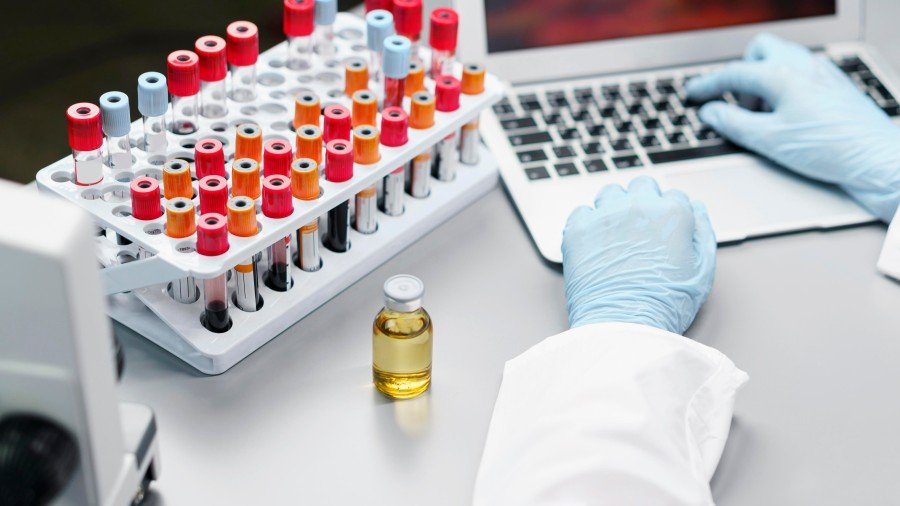
Finding a Path Lab Near Me is easy with an online search, but choosing one you can trust requires a little more thought. Diagnostic tests play an important role in detecting health problems, monitoring existing conditions, and helping doctors make informed treatment decisions. Therefore, factors such as test accuracy, laboratory standards, qualified professionals, hygiene, reporting time, and patient convenience matter. Whether you need a routine blood test, preventive health screening, or a specific diagnostic investigation, selecting the right laboratory can make the testing experience smoother and more reliable.
For more information, and a direct connection with us on WhatsApp.
To find a reliable path lab, compare its test accuracy, qualified laboratory professionals, quality-control practices, hygiene standards, available tests, report turnaround time, and sample collection options. Also, check whether the laboratory follows recognized quality standards and provides clear reports. Convenience matters, but reliability and proper testing procedures should remain the priority.
Why Choosing the Right Diagnostic Laboratory Matters
Laboratory tests provide important information about a person’s health. Blood, urine, and other diagnostic investigations can help identify abnormalities that may not cause noticeable symptoms.
However, the usefulness of a test depends on several factors, including appropriate sample collection, handling, processing, and reporting. A dependable laboratory follows established procedures at every stage.
For this reason, don’t select a laboratory based only on distance or price. Instead, evaluate the laboratory’s complete range and standard of diagnostic services, such as those provided by Indraprastha Imaging & Medical Centre.
What to Look for in a Path Lab Near Me
When searching for a Path Lab Near Me, use the following factors to compare your options.
1. Check Laboratory Quality Standards
A trustworthy diagnostic centre should have appropriate quality-control processes. Depending on the laboratory and services offered, accreditation or certification can provide additional reassurance about its quality systems.
In India, NABL (National Accreditation Board for Testing and Calibration Laboratories) accreditation is an important quality indicator for laboratories accredited for specific tests and scopes. However, patients should check the laboratory’s current accreditation status and the tests covered rather than assuming every service is automatically accredited.
2. Look at the Range of Diagnostic Tests
Your requirements may vary from a basic complete blood count to more specialized investigations. Therefore, check whether the laboratory offers the tests you need.
Common investigations may include:
- Complete blood count (CBC)
- Blood glucose and HbA1c
- Lipid profile
- Liver and kidney function tests
- Thyroid function tests
- Urine tests
- Vitamin and nutritional tests
- Preventive health checkups
- Microbiology and other specialized investigations, where available
If your doctor has prescribed a specific test, confirm that the laboratory performs that test and follows the required sample and preparation guidelines.
3. Consider Sample Collection Procedures
Accurate reporting begins with proper sample collection. The laboratory should use appropriate collection equipment, correctly identify samples, and follow suitable storage and transportation procedures.
For some tests, fasting or other preparation may be necessary. A reliable laboratory should clearly communicate these requirements before collection.
If you prefer home collection, ask whether trained personnel are available and how samples are transported to the laboratory.
4. Review Report Turnaround Time
Turnaround time can be important when you are waiting for results before a medical consultation. Keep in mind that a quicker turnaround time does not necessarily indicate superior testing quality.
Different tests require different processing times. A good diagnostic centre should provide a realistic timeframe rather than promising unnecessarily quick results.
If you need a report urgently, confirm the expected reporting time before giving the sample.
5. Check the Qualifications of Laboratory Professionals
Diagnostic testing involves trained professionals at multiple stages. Depending on the service, this may include laboratory technicians, pathologists, microbiologists, and other qualified healthcare professionals.
You can ask whether the relevant tests are reviewed or interpreted by appropriately qualified professionals. This is especially important for specialized investigations where expert review may be required.
6. Compare Hygiene and Patient Safety Practices
Pay close attention to hygiene and the laboratory’s measures for preventing infections. During a visit, observe whether the sample collection area appears clean and organized.
The use of appropriate gloves, sterile or single-use collection equipment where required, proper sharps disposal, and safe sample handling are important components of responsible laboratory practice.
These details may seem small, but they contribute to patient and staff safety.
Don’t Choose a Lab Based Only on Price
Cost is naturally an important consideration. However, the cheapest diagnostic test is not necessarily the best option.
Before comparing prices, check what the quoted price includes. Some laboratories may offer packages with multiple investigations, while others may charge separately for individual tests or home collection.
Instead of focusing only on discounts, compare test availability, quality systems, sample collection, reporting, convenience, and professional support.
Read Reviews, But Use Them Wisely
Online reviews can help you understand other patients’ experiences with waiting times, staff behaviour, home collection, and general service.
However, reviews cannot independently confirm the technical accuracy of laboratory results. Therefore, use them as one factor rather than the deciding factor.
Also, look for consistent patterns across multiple reviews instead of relying on one exceptionally positive or negative comment.
Ask These Questions Before Booking a Test
Before choosing a diagnostic centre, consider asking:
- Is the required test available?
- Does the laboratory have relevant accreditation or quality certification?
- Is fasting required before the test?
- What procedures are followed for collecting, labeling, and safely handling the sample?
- When will the report be available?
- Is home sample collection offered?
- How will I receive my report?
- Should I bring a doctor’s prescription or previous reports?
Getting these details beforehand can prevent unnecessary delays and confusion.
When Should You Consider Home Sample Collection?
Home collection can be useful for older adults, people with mobility difficulties, busy professionals, children, or patients who prefer to avoid unnecessary travel.
Nevertheless, convenience should not replace proper collection procedures. Confirm that the person collecting the sample follows appropriate identification, collection, labeling, and transportation practices.
For certain tests, laboratory-based collection may be more appropriate. Follow the instructions provided by the laboratory or your healthcare professional.
Choose Testing Based on Medical Advice
Not every test is necessary for every person. Online health information may help you understand common investigations, but it should not replace professional medical advice.
If you have symptoms, a known medical condition, or a doctor’s recommendation for specific testing, follow the prescribed investigations and preparation instructions.
Similarly, don’t interpret an isolated abnormal result without context. Test values can sometimes vary because of factors such as fasting status, medications, timing, hydration, or laboratory reference ranges. Your doctor can interpret the results alongside your symptoms and medical history.
Conclusion
Choosing a Path Lab Near Me should involve more than finding the closest or cheapest laboratory. Look for appropriate quality standards, trained professionals, proper sample collection, hygienic practices, reliable reporting, and convenient services. Also, check whether the laboratory provides the specific investigations recommended by your doctor and understand any preparation requirements beforehand. Home sample collection can add convenience, but proper handling remains essential. Most importantly, remember that a test result should be interpreted in the context of your symptoms and medical history. If you need diagnostic testing, take time to compare reputable laboratories and choose a centre that prioritizes accuracy, safety, and patient care.
For more information about IIMC Medical Centre, visit now https://share.google/w1Hiwduq5ua6wqIL0.
