
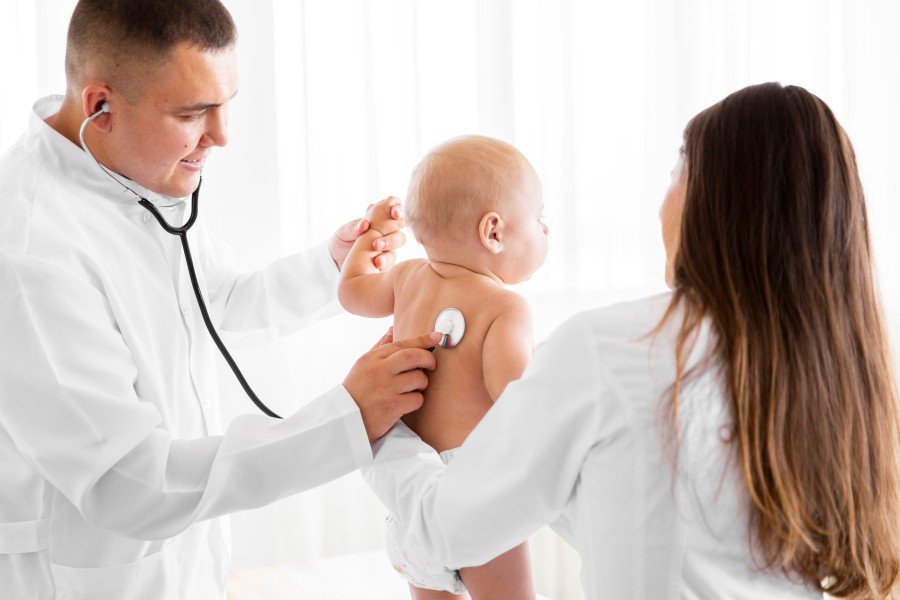
The first few weeks of a baby’s life are a period of rapid growth and adjustment. While many newborns remain healthy with routine care, some may develop feeding difficulties, jaundice, breathing problems, infections, or concerns related to premature birth. Knowing when to seek medical advice can help parents respond promptly. A Neonatal OPD in West Delhi can provide specialized evaluation and follow-up for newborns who need closer attention during this important stage.
For more information, and a direct connection with us on WhatsApp.
A newborn should see a specialist when parents notice difficulty breathing, poor feeding, unusual sleepiness, persistent vomiting, fever, worsening jaundice, poor weight gain, or other concerning symptoms. Premature, low-birth-weight, or recently hospitalized babies may also require planned neonatal follow-up to monitor growth, feeding, development, and recovery.
Why Is Specialized Newborn Care Important?
Newborns have developing immune systems and can sometimes become unwell quickly. Moreover, symptoms that appear mild in an older child may need prompt assessment in a newborn.
Neonatal care focuses specifically on babies during the early stages of life. A specialist can assess feeding, weight gain, jaundice, breathing, temperature, hydration, and overall development. This approach becomes particularly important for babies born prematurely or with medical complications.
A neonatal outpatient department also provides an opportunity for parents to discuss concerns after discharge from a hospital or neonatal unit. Regular follow-up can help identify problems early rather than waiting until symptoms become more serious.
When Should You Visit a Neonatal OPD in West Delhi?
Not every newborn requires frequent specialist visits. However, certain signs and circumstances should encourage parents to seek medical evaluation.
1. Your Baby Has Difficulty Feeding
Feeding problems are common reasons for newborn consultations. A baby may struggle to latch, take very little milk, fall asleep repeatedly during feeds, or appear unable to coordinate sucking and swallowing.
Poor feeding can sometimes indicate an underlying problem. Therefore, persistent feeding difficulties deserve professional assessment, especially when they occur alongside reduced urination, lethargy, or poor weight gain.
2. There Is Significant or Worsening Jaundice
Mild jaundice is common in newborns. However, parents should not assume that every case is harmless.
Seek medical advice if yellowing appears very early, becomes more noticeable, spreads significantly, or persists longer than expected. A neonatal specialist can determine whether bilirubin assessment or further monitoring is necessary.
3. Your Newborn Has Breathing Problems
Breathing difficulties require prompt attention. Watch for signs such as:
- Rapid or laboured breathing
- Grunting sounds
- Persistent chest retractions
- Bluish or greyish skin or lips
- Pauses in breathing
- Difficulty feeding because of breathlessness
If a newborn is struggling to breathe or appears blue or unresponsive, parents should seek urgent emergency medical care rather than waiting for a routine outpatient appointment.
4. Your Baby Is Not Gaining Weight as Expected
Weight monitoring provides useful information about feeding and overall health. Some weight loss occurs naturally after birth, but healthcare professionals assess whether the baby’s subsequent growth follows an appropriate pattern.
A neonatal consultation can help identify feeding issues, dehydration, illness, or other factors affecting weight gain.
5. Your Baby Was Born Prematurely or With Low Birth Weight
Premature and low-birth-weight babies may need closer monitoring after leaving the hospital. Their follow-up may include assessment of:
- Weight and length
- Feeding and nutrition
- Temperature regulation
- Developmental progress
- Hearing and vision concerns
- Vaccination status
- Recovery from neonatal complications
Parents should follow the individualized follow-up plan provided by their baby’s healthcare team.
What Happens During a Neonatal OPD Visit?
A neonatal outpatient consultation generally begins with a discussion about the baby’s birth history, current feeding pattern, sleep, urination, bowel movements, and any symptoms.
The doctor may then examine the baby’s weight, growth, hydration, breathing, skin colour, reflexes, and general physical condition. Depending on the baby’s symptoms and history, the specialist may recommend investigations or further monitoring.
Importantly, tests are not automatically necessary for every newborn. The doctor should recommend investigations based on the baby’s clinical condition and individual risk factors.
Parents should bring relevant hospital discharge summaries, previous investigation reports, vaccination records, and information about current medications, if applicable.
Which Newborns May Need Closer Follow-Up?
Some babies have a higher likelihood of needing specialist monitoring. These may include newborns who:
- Were born before 37 weeks of pregnancy
- Had a low birth weight
- Required neonatal intensive care
- Experienced breathing difficulties after birth
- Had significant jaundice
- Have feeding or weight-gain concerns
- Have known congenital or medical conditions
- Were discharged after treatment for a neonatal illness
However, every baby is different. The need for follow-up depends on the baby’s medical history and current condition.
How Can Parents Prepare for a Neonatal Consultation?
A little preparation can make the appointment more useful. Before visiting a Neonatal OPD in West Delhi, parents can note changes in feeding, sleep, urine output, stool pattern, temperature, and behaviour.
It is also helpful to record the baby’s recent weight if parents have been advised to monitor it at home.
Parents should mention any concerns, even if they seem minor. For example, difficulty breastfeeding, repeated vomiting, excessive sleepiness, or changes in crying can provide useful clinical information.
Most importantly, avoid giving medicines, supplements, gripe water, or other remedies to a newborn without appropriate medical advice.
Newborn Care After Hospital Discharge
Leaving the hospital can feel reassuring, but parents may still have questions once they return home. Follow-up appointments help ensure that the baby continues to feed well, gain weight, and recover appropriately.
Parents should follow the discharge instructions provided by their healthcare team. This may include recommendations for feeding, medication, vaccination, jaundice monitoring, or specialist review.
If the baby’s condition changes suddenly, parents should seek medical attention promptly rather than waiting for the scheduled follow-up.
Choosing the Right Neonatal Care in West Delhi
When looking for newborn specialist care, parents should consider whether the facility offers appropriate pediatric and neonatal expertise, convenient follow-up, access to relevant investigations, and a clear pathway for urgent referral when needed.
Location also matters because newborns may require more than one follow-up visit. Families in areas such as Janakpuri, Vikaspuri, Paschim Vihar, Rajouri Garden, Punjabi Bagh, Tilak Nagar, and surrounding parts of West Delhi may prefer a conveniently accessible pediatric or neonatal outpatient service.
However, convenience should complement—not replace—the quality and suitability of medical care.
When Is Emergency Care More Appropriate Than OPD Care?
An outpatient appointment is suitable for planned assessments and non-emergency concerns. However, certain symptoms require immediate medical attention.
Parents should seek urgent care if a newborn has severe breathing difficulty, blue or grey skin, seizures, marked unresponsiveness, significant bleeding, or another sudden and serious change in condition.
Similarly, a newborn with a fever should receive prompt medical evaluation because infections can become serious quickly in this age group. Parents should not rely solely on home treatment.
Supporting Your Baby’s Healthy Start
Good newborn care extends beyond medical appointments. Appropriate feeding, safe sleep practices, hygiene, vaccination, protection from unnecessary exposure to infections, and regular growth monitoring all contribute to a healthy beginning.
Parents should also remember that every newborn develops at an individual pace. Instead of comparing one baby with another, discuss concerns with a qualified pediatric or neonatal professional who can assess the child in context.
Early medical advice does not always mean that something is seriously wrong. Often, it gives parents reassurance, guidance, and a clear plan for monitoring their baby’s health.
Conclusion
The newborn period requires careful observation because babies can show subtle signs when they are unwell. Feeding difficulties, worsening jaundice, breathing problems, poor weight gain, fever, and unusual lethargy should not be ignored. Premature and low-birth-weight babies may also benefit from planned specialist follow-up. A Neonatal OPD in West Delhi can help parents access appropriate assessment, monitoring, and guidance during these early weeks. If you notice a concerning change in your newborn’s health, consult a Indraprastha Imaging & Medical Centre promptly. For severe or sudden symptoms, seek emergency medical care rather than waiting for an outpatient appointment.
