
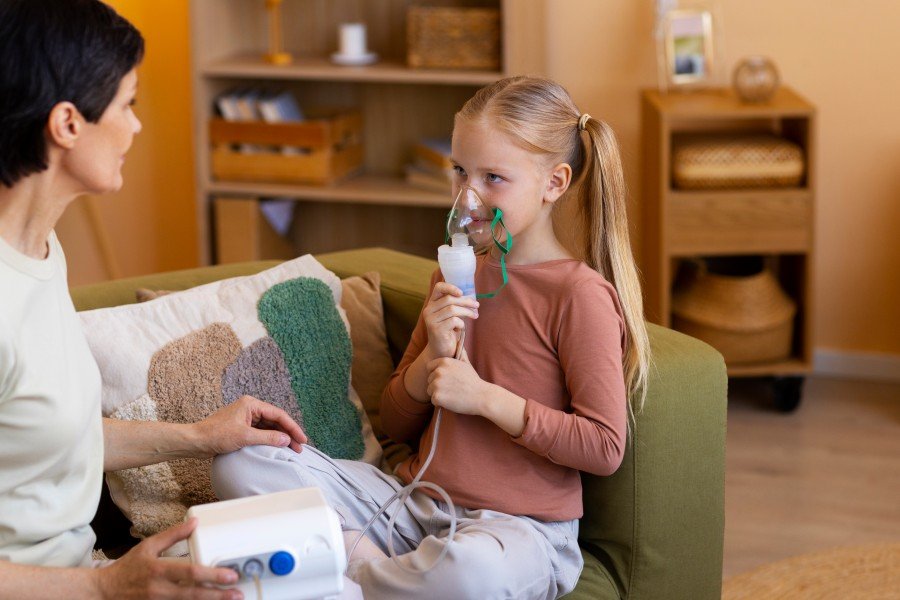
Asthma is one of the most common chronic conditions affecting children. Although it can be concerning for parents, the good news is that asthma is manageable with the right medical care, lifestyle adjustments, and early intervention. Understanding your child’s symptoms and working closely with a qualified healthcare provider can help prevent complications and allow your child to lead an active, healthy life.
If your child frequently experiences coughing, wheezing, or shortness of breath, consulting an experienced Pediatrician in Vinod Nagar can help you receive an accurate diagnosis and a personalized asthma management plan.
For more information, and a direct connection with us on WhatsApp.
Childhood asthma can be effectively managed through early diagnosis, proper medication, trigger avoidance, and regular follow-ups with a pediatrician. A personalized treatment plan helps children control symptoms, reduce asthma attacks, and enjoy normal daily activities while supporting healthy growth and development.
Understanding Childhood Asthma
Asthma is a long-term condition that causes inflammation and narrowing of the airways. As a result, breathing becomes difficult, especially when the child is exposed to certain triggers.
Asthma symptoms may vary from one child to another. Some children experience occasional mild symptoms, while others may have frequent episodes that interfere with daily activities or sleep.
Common symptoms include:
- Persistent coughing, especially at night
- Wheezing or a whistling sound while breathing
- Shortness of breath
- Chest tightness
- Difficulty exercising
- Frequent respiratory infections
Early recognition of these symptoms allows timely treatment and reduces the risk of severe asthma attacks.
Why Early Diagnosis Matters
Many parents mistake recurring coughs or breathing problems for seasonal allergies or repeated infections. However, untreated asthma can affect a child’s quality of life, school attendance, sleep, and physical activity.
An experienced Pediatrician in Vinod Nagar will evaluate your child’s medical history, symptoms, family history, and, when age-appropriate, perform lung function assessments to confirm the diagnosis.
Early diagnosis offers several benefits:
- Better symptom control
- Reduced emergency visits
- Improved lung health
- Fewer asthma attacks
- Better participation in sports and daily activities
Common Asthma Triggers
Every child’s asthma triggers can be different. Identifying these triggers is one of the most important steps in preventing flare-ups.
Indoor Triggers
- Dust mites
- Pet dander
- Mold
- Tobacco smoke
- Strong perfumes or air fresheners
Outdoor Triggers
- Pollen
- Air pollution
- Cold weather
- Seasonal changes
Other Triggers
- Viral infections
- Physical exercise
- Emotional stress
- Certain medications
- Sudden weather changes
Keeping a symptom diary can help parents recognize patterns and avoid specific triggers.
How a Pediatrician in Vinod Nagar Helps Manage Childhood Asthma
Managing asthma requires more than simply prescribing medication. A pediatrician develops an individualized care plan that suits your child’s age, symptoms, and lifestyle.
The treatment approach usually includes:
Accurate Assessment
A thorough examination helps determine the severity of asthma and identify possible triggers.
Personalized Treatment Plan
Depending on symptom frequency, treatment may include:
- Quick-relief inhalers
- Long-term controller medications
- Spacer devices for easier inhaler use
- Nebulization when required
Parents receive clear instructions on when and how medications should be used.
Regular Monitoring
Asthma symptoms can change as children grow. Regular follow-up appointments allow the pediatrician to adjust medications and monitor progress.
Parent Education
Parents learn to:
- Recognize early warning signs
- Use inhalers correctly
- Prevent asthma attacks
- Know when emergency care is necessary
Education is one of the most effective tools for successful asthma management.
Everyday Tips to Help Your Child Control Asthma
Managing asthma at home plays a major role in preventing flare-ups.
Here are practical recommendations from pediatricians:
- Follow the prescribed medication schedule.
- Never stop medicines without medical advice.
- Keep rescue medication readily available.
- Maintain a smoke-free home.
- Wash bedding regularly to reduce dust mites.
- Keep indoor spaces clean and well-ventilated.
- Encourage regular physical activity after discussing suitable exercises with your doctor.
- Ensure your child receives recommended vaccinations.
- Teach your child to recognize symptoms early.
Consistency makes asthma management significantly more effective.
When Should Parents Seek Immediate Medical Care?
Some asthma symptoms require urgent medical attention.
Seek emergency care if your child:
- Has severe difficulty breathing
- Cannot speak complete sentences due to breathlessness
- Shows bluish lips or fingernails
- Experiences rapid breathing that doesn’t improve after using rescue medication
- Appears unusually drowsy or confused
Prompt medical intervention can prevent serious complications.
Can Children Outgrow Asthma?
Some children experience fewer symptoms as they grow older, particularly if they have mild asthma. However, many continue to have asthma into adolescence or adulthood.
Even when symptoms improve, regular follow-ups remain important because asthma can return later in life.
Parents should never discontinue medications without consulting their pediatrician.
Supporting Your Child Emotionally
Living with asthma can sometimes make children anxious about participating in sports or school activities.
Parents can support them by:
- Encouraging open conversations
- Teaching proper inhaler techniques
- Working with teachers and caregivers
- Preparing an asthma action plan for school
- Celebrating small milestones in asthma control
Building confidence helps children remain active while managing their condition safely.
Preventing Future Asthma Attacks
Although asthma cannot always be prevented, many flare-ups can be avoided with proper management.
Focus on:
- Regular pediatric consultations
- Identifying triggers
- Following medication instructions
- Maintaining healthy nutrition
- Encouraging adequate sleep
- Staying physically active
- Keeping vaccinations up to date
- Monitoring symptoms regularly
Preventive care leads to better long-term outcomes and fewer disruptions to your child’s daily life.
Conclusion
Childhood asthma can feel overwhelming at first, but with the right guidance, children can enjoy healthy, active lives. Early diagnosis, consistent treatment, trigger management, and regular follow-ups all play an important role in controlling symptoms and reducing asthma attacks. Parents should stay informed, follow the recommended asthma action plan, and seek medical advice whenever symptoms change. If your child experiences persistent coughing, wheezing, or breathing difficulties, consulting a trusted Pediatrician in Vinod Nagar can provide the expert care needed for effective asthma management. Timely medical attention not only improves symptom control but also supports your child’s overall growth, confidence, and quality of life.
For more information about IIMC Medical Centre, visit now https://share.google/w1Hiwduq5ua6wqIL0.
