
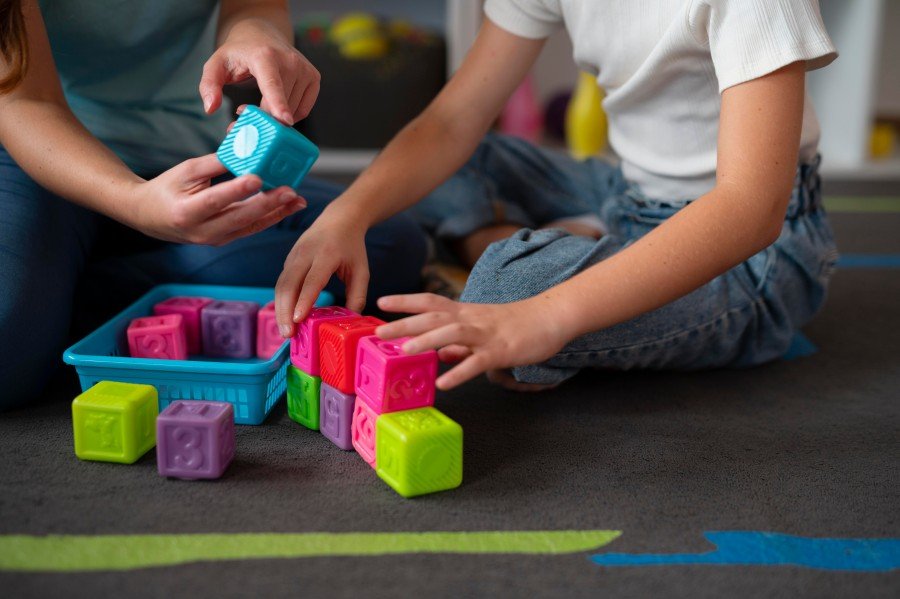
Every child develops at their own pace, but certain developmental milestones help parents and pediatric specialists understand whether growth is progressing as expected. Changes in speech, movement, learning, behavior, social interaction, or physical growth may sometimes require closer attention. Knowing when to seek professional guidance can help parents address concerns early rather than waiting for them to become more noticeable. A Child Growth & Development Centre in North Delhi can provide structured developmental assessment, growth monitoring, and guidance based on a child’s individual needs. Early evaluation does not automatically mean that a child has a developmental disorder. Instead, it helps parents understand their child’s strengths and identify areas that may benefit from additional support.
For more information, and a direct connection with us on WhatsApp.
Parents should consider visiting a child growth and development centre when they notice delayed milestones, difficulties with speech or communication, unusual behaviour, learning concerns, poor weight or height gain, movement problems, or changes in social interaction. Professional assessment can identify concerns early and guide parents toward appropriate evaluation, therapy, nutrition advice, or follow-up care.
Why Monitoring Child Growth and Development Matters
Child development involves much more than height and weight. Healthcare professionals generally look at several areas, including physical, cognitive, language, social, and emotional development.
For example, a child may have healthy physical growth but experience difficulty communicating or interacting with others. Similarly, a child may speak well but struggle with motor coordination or learning.
Regular developmental monitoring helps identify these differences. Moreover, it gives parents an opportunity to discuss concerns about sleep, nutrition, behaviour, school performance, communication, and other aspects of childhood health.
Signs That May Require a Developmental Evaluation
Not every difference in development indicates a medical problem. However, persistent or noticeable concerns deserve professional attention.
1. Delayed Speech or Communication
Speech and language development varies among children. Still, parents should discuss concerns if a child consistently has difficulty understanding simple communication, expressing basic needs, using age-appropriate words, or interacting through gestures and language.
Loss of previously acquired communication skills also deserves prompt medical attention.
2. Difficulty Reaching Developmental Milestones
Children gradually develop skills such as sitting, crawling, walking, grasping objects, communicating, and interacting with others. If a child appears significantly behind expected milestones, an assessment can help determine why.
Importantly, parents should avoid comparing their child too closely with siblings or other children. Developmental milestones provide useful guidance, but a qualified professional should interpret them in context.
3. Concerns About Height or Weight
Growth patterns can vary considerably. However, poor weight gain, unusually slow height gain, significant changes in growth patterns, or concerns about nutrition should be discussed with a pediatric professional.
Growth charts can help healthcare providers track a child’s progress over time instead of relying on a single measurement.
4. Problems With Movement or Coordination
Frequent falls, difficulty using hands, unusual muscle tone, problems with balance, or challenges performing age-appropriate physical activities may warrant evaluation.
Early assessment can help identify whether the issue relates to motor development, coordination, muscle function, or another underlying factor.
5. Social or Behavioural Concerns
Parents may notice that a child has difficulty making eye contact, responding to their name, engaging in age-appropriate play, interacting with others, or adapting to everyday routines.
Behavioural changes can have many causes. Therefore, professional assessment is more useful than making assumptions based on isolated behaviours.
6. Learning or School-Related Difficulties
If a child repeatedly struggles to understand instructions, concentrate, remember information, complete age-appropriate tasks, or keep up with classroom activities, parents should consider discussing these concerns with a specialist.
Early identification can help families understand whether the difficulty relates to learning, attention, language, hearing, vision, emotional factors, or another concern.
When Should You Visit a Child Growth & Development Centre in North Delhi?
There is no single age at which every child should undergo a developmental evaluation. Instead, parents should seek guidance whenever they have a persistent concern about their child’s growth or development.
A Child Growth & Development Centre in North Delhi may be particularly helpful when:
- Your child is not reaching expected developmental milestones.
- Speech or language development appears delayed.
- Your child loses a skill they had previously developed.
- There are concerns about height, weight, appetite, or nutrition.
- Your child has difficulties with movement, balance, or coordination.
- Behaviour or social interaction raises concerns.
- Teachers report persistent learning or attention difficulties.
- You are unsure whether your child’s development is progressing appropriately.
Parents should also seek professional advice when their instincts tell them that something has changed. You do not need to wait until a concern becomes severe before discussing it with a healthcare professional.
What Happens During a Child Development Assessment?
Indraprastha Imaging & Medical Centre usually begins with a detailed discussion about the child’s health and developmental history. The specialist may ask about pregnancy and birth history, feeding, sleep, communication, behaviour, school performance, family history, and previously achieved milestones.
The child may then undergo an age-appropriate assessment covering areas such as:
- Physical growth
- Gross and fine motor skills
- Speech and language
- Cognitive and learning abilities
- Social interaction
- Behaviour and emotional development
- Daily living skills
Depending on the findings, the healthcare professional may recommend observation, follow-up assessments, hearing or vision evaluation, nutritional guidance, developmental therapy, or referral to another specialist.
The goal is not simply to identify a problem. Instead, assessment helps create a clearer understanding of what the child needs.
Why Early Attention Can Make a Difference
Early identification can give families more time to understand a child’s needs and explore appropriate support. Depending on the concern, this may include speech and language support, occupational therapy, physiotherapy, behavioural interventions, nutritional management, educational assistance, or specialist medical care.
Furthermore, early guidance can help parents understand how to support development at home. Simple changes in communication, play, routines, nutrition, and learning activities may complement professional care.
However, treatment should always be based on an appropriate assessment rather than assumptions or online information.
Choosing the Right Child Development Centre in North Delhi
When looking for developmental care, consider the experience and qualifications of the professionals involved. A good centre should take a child-centred approach and consider the child’s overall development rather than focusing on one symptom.
Parents can also ask about:
- Developmental screening and assessment services
- Pediatric expertise and specialist availability
- Referral pathways when additional evaluation is needed
- Communication between healthcare professionals and parents
- Follow-up and progress monitoring
- Guidance for supporting development at home
Convenience also matters. Choosing a centre that is accessible from areas such as Pitampura, Shalimar Bagh, Model Town, Rohini, Ashok Vihar, or nearby parts of North Delhi can make regular follow-up easier when ongoing monitoring is recommended.
Conclusion
Children develop at different rates, but persistent concerns about speech, movement, learning, behaviour, social interaction, or physical growth should not be ignored. At the same time, a developmental concern does not automatically indicate a serious condition. A professional assessment can provide clarity and help parents understand the next appropriate step.
A Child Growth & Development Centre in North Delhi can support families through developmental monitoring, assessment, guidance, and appropriate referrals when needed. If you have noticed a change in your child’s development or simply feel unsure about whether they are progressing as expected, consider discussing your concerns with a qualified pediatric professional. Early guidance can help you make informed decisions about your child’s health and development.
For more information about IIMC Medical Centre, visit now https://share.google/w1Hiwduq5ua6wqIL0.
