
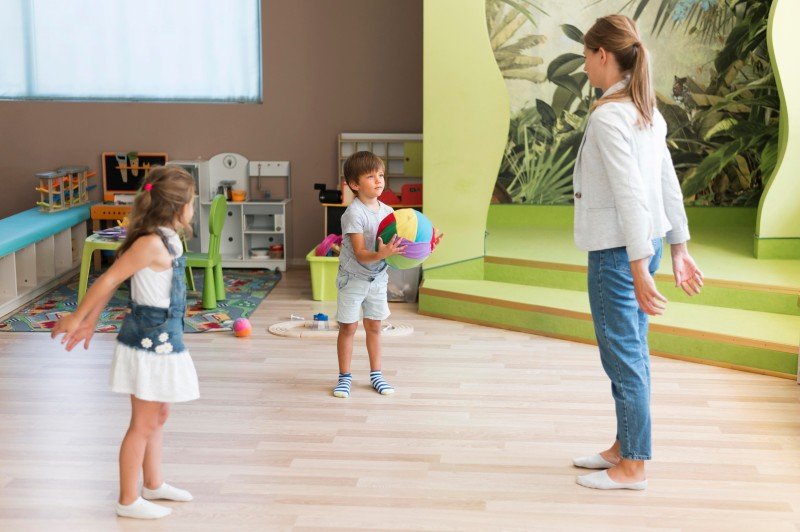
Every child grows at their own pace, but healthy growth and development follow certain well-established patterns. From genetics and nutrition to emotional well-being and quality healthcare, many factors shape a child’s physical, cognitive, emotional, and social development. Understanding these influences helps parents make informed decisions that support lifelong health and learning.
If you are looking for expert guidance, a Child Growth & Development Centre in New Delhi can assess your child’s progress, identify developmental concerns early, and recommend personalized interventions that encourage healthy development.
Child growth and development depend on several interconnected factors, including genetics, balanced nutrition, physical activity, quality sleep, emotional support, healthcare, and a stimulating environment. Regular developmental assessments at a Child Growth & Development Centre in New Delhi help identify concerns early and provide timely interventions for optimal physical, mental, and social development.For more information, and a direct connection with us on WhatsApp.
Why Visit a Child Growth & Development Centre in New Delhi?
Growth is much more than gaining height and weight. Children also develop language, motor skills, thinking abilities, emotional control, and social interactions. Therefore, monitoring each stage is essential.
A specialized developmental centre uses standardized assessment tools to evaluate whether a child is reaching expected milestones. Moreover, experts work closely with parents to understand the child’s strengths and identify areas that may need additional support.
Early assessment offers several benefits, including:
- Timely identification of developmental delays
- Personalized intervention plans
- Better academic readiness
- Improved communication and motor skills
- Enhanced confidence and social development
- Continuous monitoring of developmental milestones
Most importantly, early intervention often produces better long-term outcomes than delayed treatment.
Genetics Plays a Significant Role
Genes provide the foundation for a child’s growth potential. They influence height, body structure, metabolism, and certain developmental characteristics.
However, genetics alone does not determine outcomes. Environmental factors, nutrition, healthcare, and lifestyle significantly affect how genetic potential is expressed.
For example, two children with similar genetic backgrounds may develop differently if one receives balanced nutrition, proper sleep, and regular medical care while the other does not.
Proper Nutrition Supports Healthy Development
Nutrition remains one of the strongest influences on healthy childhood development.
Children require adequate amounts of:
- Protein for muscle development
- Calcium and Vitamin D for healthy bones
- Iron for brain development
- Healthy fats for nervous system function
- Vitamins and minerals for immunity and growth
Poor nutrition may slow physical growth, reduce energy levels, and affect learning abilities.
Parents should encourage a balanced diet that includes fruits, vegetables, whole grains, dairy products, lean proteins, and healthy fats. At the same time, limiting processed foods and sugary drinks helps maintain healthy growth patterns.
Physical Activity Builds Strong Bodies and Minds
Children naturally learn through movement and play.
Regular physical activity helps:
- Build stronger muscles and bones
- Improve coordination
- Maintain healthy weight
- Support brain development
- Increase confidence
- Reduce stress
Outdoor games, cycling, swimming, dancing, and structured sports all contribute to healthy development. Furthermore, active children often develop better concentration and emotional regulation.
Quality Sleep Is Essential
Sleep plays a vital role in both physical growth and brain development.
Growth hormone is primarily released during deep sleep. Consequently, children who consistently receive adequate sleep generally experience healthier physical development.
Age-appropriate sleep recommendations include:
- Infants: 12–16 hours
- Toddlers: 11–14 hours
- Preschoolers: 10–13 hours
- School-age children: 9–12 hours
Establishing consistent bedtime routines also improves emotional well-being and learning capacity.
Emotional Well-Being Shapes Development
Children thrive in supportive and loving environments.
Positive relationships with parents, caregivers, and teachers help children develop confidence, communication skills, and emotional resilience.
On the other hand, prolonged stress, neglect, or family conflict may affect emotional and cognitive development. Therefore, creating a stable, nurturing environment remains equally important as meeting physical needs.
Parents can support emotional health by:
- Listening actively
- Encouraging open communication
- Praising effort rather than perfection
- Spending quality family time
- Teaching healthy coping skills
These habits strengthen emotional security and promote healthy development.
Healthcare and Regular Developmental Screening
Routine health check-ups allow healthcare professionals to monitor growth patterns and developmental milestones.
Vaccinations, hearing tests, vision screening, dental care, and developmental assessments all contribute to healthy childhood development.
Regular visits also allow professionals to identify concerns before they become more challenging to manage.
Early Intervention at a Child Growth & Development Centre in New Delhi
Developmental concerns become easier to address when identified early.
Specialists evaluate speech, language, motor skills, learning abilities, behavior, and social interaction using evidence-based assessment methods. Based on these findings, they recommend individualized therapy, parental guidance, educational support, or multidisciplinary care when necessary.
Importantly, early intervention does not simply address delays. Instead, it helps children maximize their developmental potential while supporting families throughout the process.
Learning Environment and Social Interaction
Children learn continuously from the people and environments around them.
Reading together, storytelling, creative play, music, puzzles, and age-appropriate educational activities stimulate brain development. Likewise, interacting with peers teaches sharing, cooperation, empathy, and communication.
Parents do not need expensive educational tools. Consistent engagement and meaningful conversations often provide the greatest developmental benefits.
Technology and Screen Time
Technology offers educational opportunities, yet excessive screen time may reduce physical activity, sleep quality, and face-to-face interaction.
Parents should:
- Set daily screen time limits
- Encourage outdoor activities
- Choose educational content
- Watch programs together
- Balance digital learning with real-world experiences
Moderation helps children benefit from technology without compromising healthy development.
The Importance of Parental Involvement
Parents remain the most influential people in a child’s development.
Daily routines such as reading books, eating meals together, encouraging curiosity, and celebrating achievements create a strong foundation for lifelong learning.
Moreover, maintaining open communication with healthcare providers ensures that developmental concerns receive prompt attention whenever necessary.
Conclusion
Child growth and development result from a combination of genetics, nutrition, healthcare, physical activity, emotional well-being, quality sleep, and supportive relationships. While every child develops at an individual pace, consistent monitoring helps ensure they continue progressing toward healthy milestones. Parents who encourage balanced nutrition, active play, meaningful learning experiences, and regular health check-ups provide the strongest foundation for lifelong success. If you have concerns about your child’s physical, cognitive, emotional, or social development, seeking guidance from a Child Growth & Development Centre in New Delhi can make a significant difference. Early assessment, timely intervention, and expert support empower children to reach their full potential while giving families the confidence to navigate every stage of development with informed care.
For more information about IIMC Medical Centre, visit now https://share.google/w1Hiwduq5ua6wqIL0.
