
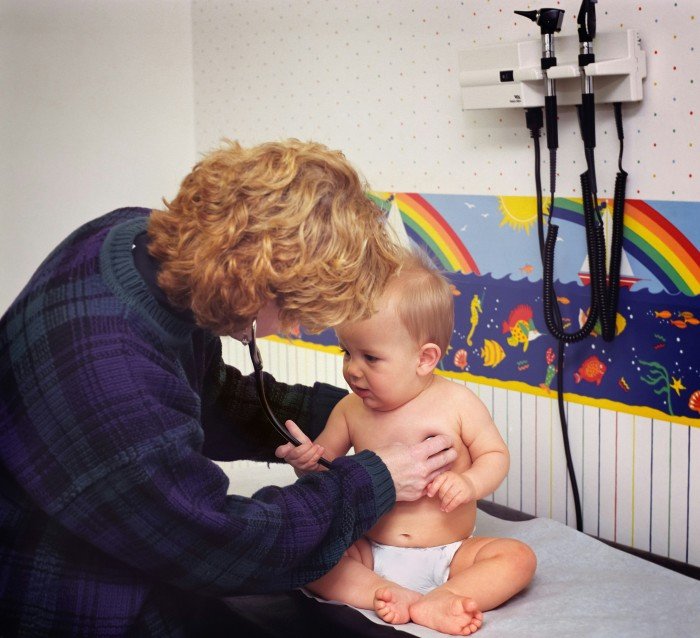
Children can develop health problems quickly, and it is not always easy for parents to know whether a symptom needs medical attention. A mild fever, persistent cough, poor appetite, stomach discomfort, or changes in behaviour may sometimes settle on their own, but certain symptoms need evaluation by a qualified pediatrician. Knowing when to visit a Pediatric OPD in Patparganj can help parents make timely and informed healthcare decisions.
For more information, and a direct connection with us on WhatsApp.
A child should see Indraprastha Imaging & Medical Centre when symptoms are persistent, worsening, recurring, or affecting normal eating, sleeping, activity, or development. Pediatric consultation is also important for regular health checkups, vaccinations, growth monitoring, developmental concerns, and ongoing conditions. Urgent medical attention is needed for severe breathing difficulty, unusual drowsiness, seizures, severe dehydration, or other alarming symptoms.
What Does a Pediatric OPD Provide?
A Pediatric OPD, or outpatient department, provides medical consultation for children without requiring hospital admission. It can be useful for infants, toddlers, school-age children, and adolescents with a wide range of health concerns.
During a consultation, the pediatrician may discuss the child’s symptoms, medical history, eating and sleeping habits, vaccination status, and developmental progress. Depending on the concern, the doctor may perform a physical examination and recommend appropriate tests or treatment.
Pediatric OPD care may include:
- Evaluation of fever, cough, cold, and infections
- Management of stomach and digestive problems
- Growth and development monitoring
- Vaccination and immunization guidance
- Nutritional assessment
- Management of allergies and recurrent illnesses
- Advice for behavioural or developmental concerns
- Follow-up for existing health conditions
The exact evaluation depends on the child’s age, symptoms, medical history, and overall health.
When Should Parents Take Their Child to a Pediatrician?
Not every minor symptom requires an immediate doctor visit. However, parents should consider pediatric consultation when a problem does not improve as expected or starts interfering with the child’s daily activities.
1. Fever That Persists or Keeps Returning
Fever is common in children and often occurs with infections. However, persistent, recurrent, or unusually high fever deserves medical evaluation. The child’s age and accompanying symptoms are also important.
Infants, particularly very young babies, may require prompt medical assessment when they develop a fever. Parents should follow their pediatrician’s advice rather than relying only on home remedies.
2. Breathing or Persistent Cough Problems
A cough associated with a common cold may improve with time. However, a cough that persists, repeatedly returns, or affects sleep and activity should be discussed with a pediatrician.
Seek urgent medical care if a child has significant difficulty breathing, bluish or greyish lips or skin, severe wheezing, unusual exhaustion, or struggles to speak, cry, or feed because of breathing difficulty.
3. Poor Appetite, Vomiting, or Diarrhoea
Temporary changes in appetite can happen during illness. Persistent poor eating, repeated vomiting, or frequent diarrhoea can become concerning, particularly in younger children.
Parents should watch for signs of dehydration, including reduced urination, dry mouth, absence of tears, marked weakness, or unusual sleepiness. A pediatrician can assess the underlying cause and advise appropriate fluids, diet, tests, or treatment.
4. Concerns About Growth and Development
Pediatric care is not limited to treating illness. Regular checkups help monitor a child’s height, weight, physical development, and age-appropriate milestones.
If parents notice delayed speech, difficulties with movement, unusual social behaviour, learning concerns, or a child is not progressing as expected, discussing these observations with a pediatrician can be an important first step.
Early evaluation does not automatically mean that a child has a developmental disorder. It simply helps identify whether further assessment or support may be useful.
Why Regular Pediatric Checkups Matter
A healthy-looking child can still benefit from periodic health assessments. Pediatric visits provide an opportunity to monitor growth, review immunizations, discuss nutrition, and address concerns before they become more difficult to manage.
Regular consultations can also help parents understand age-specific health needs. For example, nutritional requirements, sleep patterns, developmental expectations, and safety concerns change considerably as a child grows.
Parents can make these visits more productive by keeping vaccination records, noting recurring symptoms, and preparing questions about the child’s health.
What to Expect During a Pediatric OPD Visit in Patparganj
A pediatric consultation generally begins with a discussion about the child’s current concern. The pediatrician may ask when the symptoms started, whether they are improving or worsening, and whether the child has experienced similar problems before.
The doctor may then examine the child and check relevant health parameters. Depending on the findings, the pediatrician may recommend observation, medication, laboratory tests, imaging, specialist referral, or a follow-up visit.
Parents should share important information honestly, including medicines already given at home, allergies, previous medical conditions, and vaccination history. This can help the doctor make a safer and more informed clinical assessment.
Signs That Need Urgent Medical Attention
Some symptoms should not wait for a routine OPD appointment. Parents should seek urgent medical care if a child experiences:
- Severe difficulty breathing
- A seizure or loss of consciousness
- Severe dehydration
- Unusual difficulty waking or extreme drowsiness
- Serious injury or uncontrolled bleeding
- A rapidly worsening condition
- Severe allergic symptoms, particularly breathing difficulty or swelling involving the airway
For an emergency, seek immediate medical attention through an appropriate emergency service rather than waiting for a routine pediatric consultation.
How Parents Can Prepare for a Pediatric Visit
A little preparation can make a pediatric appointment more useful. Before visiting a pediatrician, parents can note the child’s symptoms, their duration, temperature readings if relevant, changes in appetite or sleep, and any medicines already administered.
It is also helpful to carry vaccination records and information about previous diagnoses or ongoing treatment. If the child is old enough, allowing them to describe what they are feeling can provide useful information to the doctor.
For families looking for Pediatric OPD in Patparganj, choosing a facility where children’s concerns can be assessed carefully and explained clearly can make healthcare visits more comfortable for both parents and children.
Frequently Asked Questions
When should I take my child to a pediatrician for a fever?
You should consult a pediatrician when fever is persistent, recurrent, unusually high, or accompanied by concerning symptoms. Very young infants with fever require particular attention. Breathing difficulty, severe weakness, dehydration, seizures, or difficulty waking are warning signs that require urgent medical evaluation rather than waiting for a routine OPD visit.
What problems can be treated in a Pediatric OPD?
A Pediatric OPD can evaluate many common childhood concerns, including fever, respiratory infections, cough, digestive problems, allergies, nutritional issues, and recurring illnesses. Pediatricians also provide preventive care such as growth monitoring, developmental assessment, vaccination guidance, and routine child health checkups.
How often should children have routine pediatric checkups?
The frequency of routine checkups depends on the child’s age, health, development, vaccination schedule, and individual needs. Babies and younger children generally need more frequent monitoring than older children. Your pediatrician can recommend an appropriate schedule based on the child’s health and developmental progress.
What should I carry to a pediatric appointment?
Parents should bring vaccination records, details of current medicines, information about allergies or previous medical conditions, and relevant test reports. It can also help to note the child’s symptoms, when they started, temperature readings, changes in eating or sleeping, and any unusual behaviour noticed at home.
Where can parents find pediatric outpatient care in Patparganj?
Parents looking for pediatric outpatient services in Patparganj can consider a healthcare facility that provides dedicated child health consultations and appropriate medical evaluation. Before visiting, check the facility’s pediatric services, consultation availability, and whether the care provided matches the child’s specific needs.
Conclusion
Knowing when to seek pediatric care can help parents respond appropriately when a child’s health changes. Persistent symptoms, recurring illnesses, feeding difficulties, developmental concerns, or changes in normal activity may warrant a professional evaluation. Routine pediatric visits are also valuable for monitoring growth, development, nutrition, and preventive healthcare.
If you are considering a Pediatric OPD in Patparganj, choose a healthcare facility where your child’s symptoms can be assessed carefully and your concerns can be discussed clearly with a pediatrician. When warning signs appear, do not delay urgent medical care. For less urgent concerns, scheduling a pediatric consultation can provide appropriate guidance and help you make informed decisions about your child’s health.
